When I ran Shakes 2GO, I made plenty of mistakes. But one thing I eventually got right was this: getting a customer through the door the first time is the expensive part. Getting them back is the valuable part. Most independent coffee shop owners spend everything on the first part and almost nothing on the second.
Loyalty isn't complicated. It doesn't need a marketing degree or a big budget. It comes down to a handful of things, done consistently. Here are the five that made the biggest difference for me.
1. Know Your Regulars. By Name, Not Just By Order.
This sounds obvious. It is obvious. And yet it's the thing independent coffee shops do brilliantly when they bother and catastrophically badly when they don't.
A regular who gets greeted by name will walk past three other coffee shops to get to yours. Not "the usual?" Their actual name. It costs nothing. It takes thirty seconds of genuine attention. The loyalty it creates is the kind no stamp card can manufacture.
At Shakes 2GO I made it a staff rule. Learn the first name of anyone who comes in more than twice a week. Not a programme. Not a system. Just a habit. The atmosphere of the whole shop changed. Regulars started introducing themselves to new staff, bringing friends in, treating the place like theirs. Which, in the best sense, it was.
💡 The Simple Rule
If someone comes in three times, your staff should know their name. People are almost always delighted to be asked. It signals that you actually want to know.
2. Run a Loyalty Scheme That Can't Get Lost.
Most independent coffee shops run a paper stamp card. Buy nine, get one free. A perfectly decent idea undermined almost entirely by its own format.
Paper stamp cards get lost. Left at home. Soggy at the bottom of a bag. Forgotten for three months, then rediscovered with a vague sense of guilt. They generate zero data. They do nothing to remind a customer they're close to a reward.
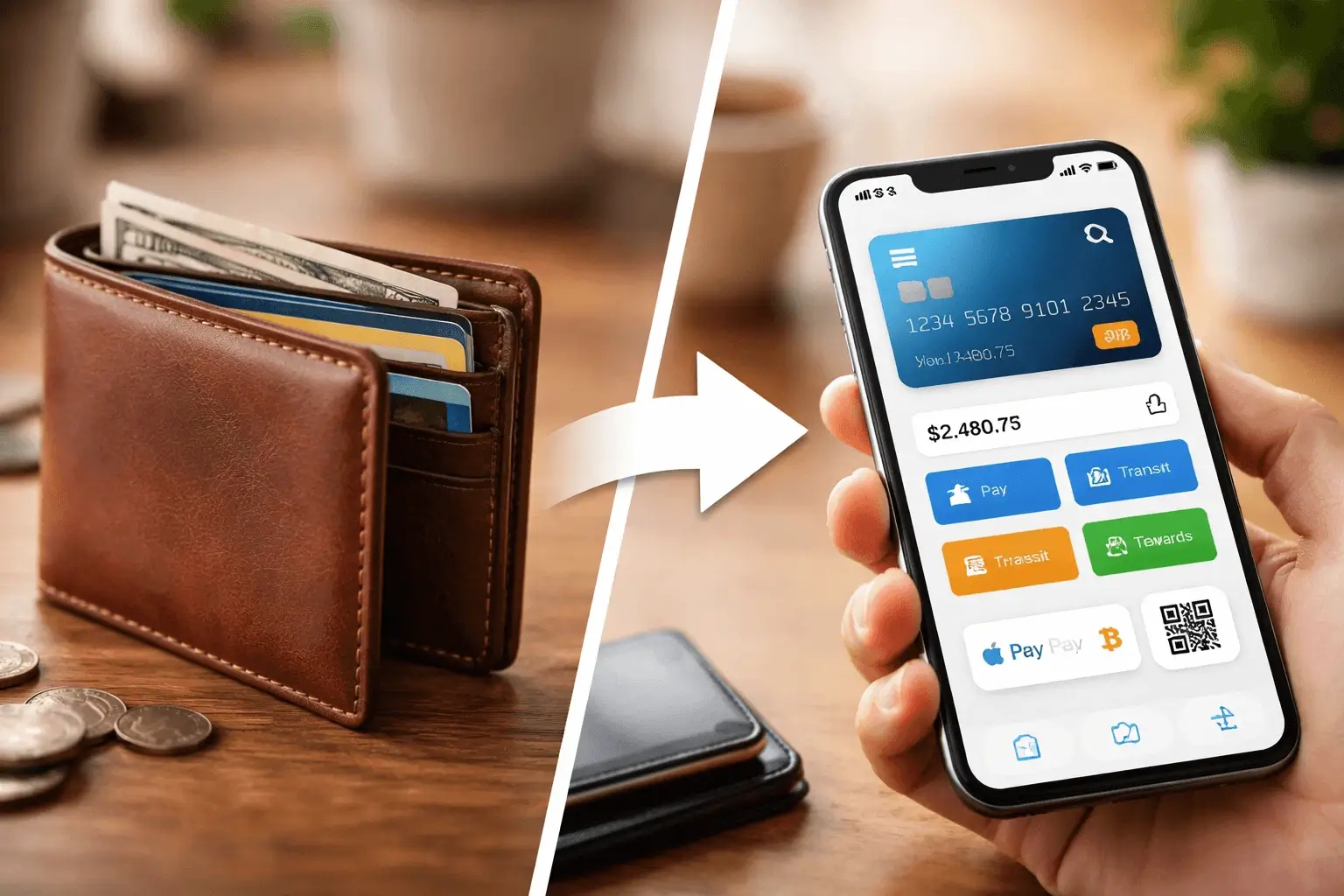
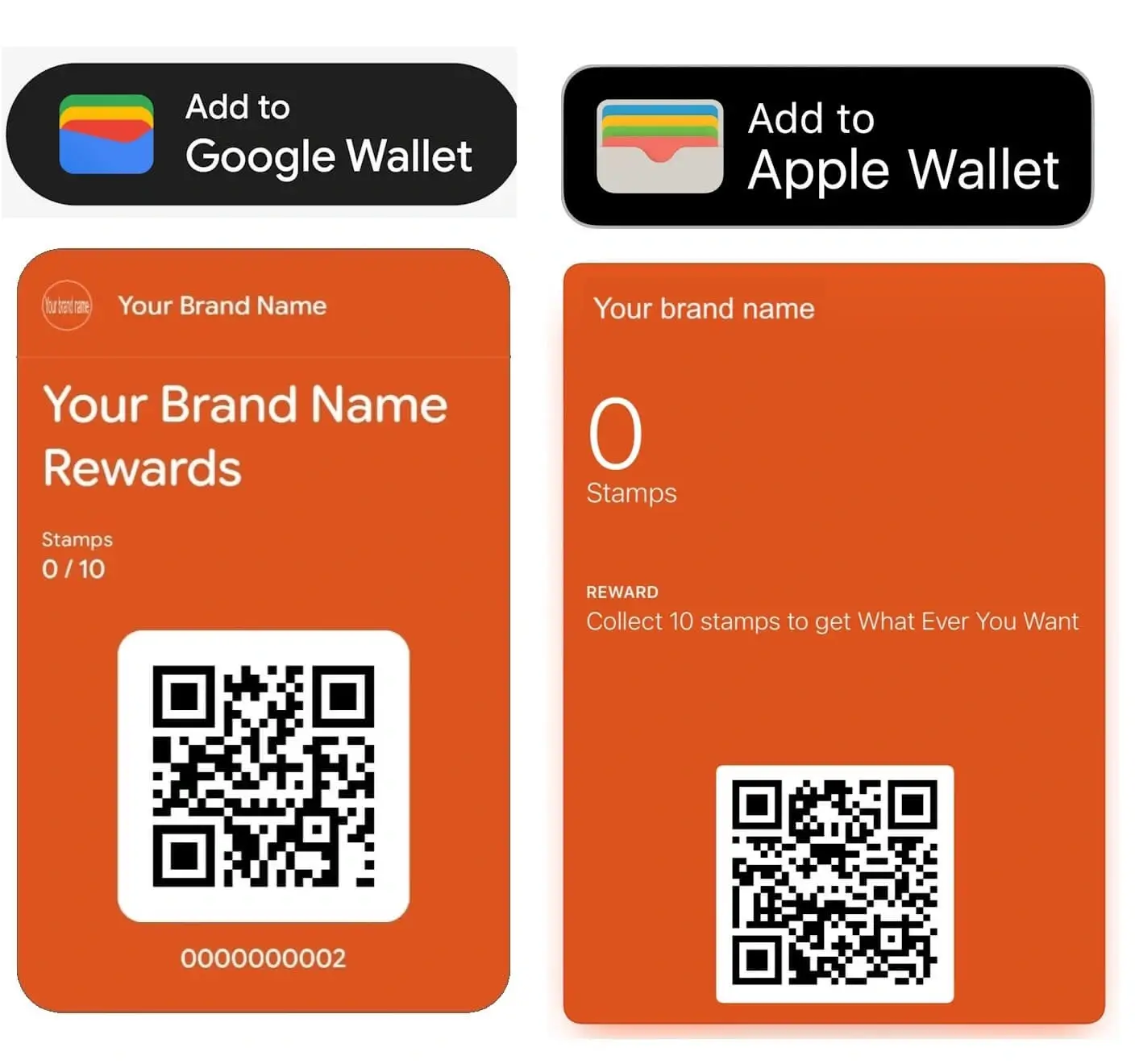
The fix is a digital loyalty card that lives in Apple Wallet or Google Wallet. Already on your customers' smartphones. No app to download. No account to create. Just a QR code on your counter, a quick scan, and your branded loyalty card is sitting in their wallet showing their current stamp count.
With PerQ, you can set this up and be ready in sixty seconds. The free scanner app lets you add stamps from any smartphone or tablet. Every stamp is tracked automatically. No guessing. No fraud. No more "I've lost my card, can you start me a new one?"
The difference between a paper card and a digital one isn't just convenience. It's visibility. A digital card in someone's wallet shows them their progress toward their next reward every time they open it. That's a passive daily reminder that you exist. Your paper card stopped doing that the moment it fell behind the sofa cushions.
3. Be Obsessively Consistent.
Here's something chains understand better than most independents. Consistency. You know exactly what a Costa latte tastes like. You know the cup will be the same size. You know what you're getting.
Independent coffee shops often beat chains on quality. They often beat them on atmosphere. They frequently lose to them on consistency. And inconsistency is quietly catastrophic for loyalty.
A customer who gets a brilliant flat white from Tom on Monday and a mediocre one from Jamie on Thursday isn't going to complain. They're just going to start going somewhere else on Thursdays. Then every day except Monday. Then they drift entirely.
The solution isn't complicated. Training, tasting, and standards. Write down exactly how your drinks should be made. Taste them regularly. Make sure every member of staff knows what good looks like and why it matters. The best independent coffee shops I know are obsessive about this in a way that feels almost over the top. Their repeat customer rates reflect it.
4. Build a Community, Not Just a Customer Base.
The coffee shops with the most loyal customers aren't just selling coffee. They're selling belonging. There's a difference between a place people go to get a coffee and a place people go to feel like themselves.
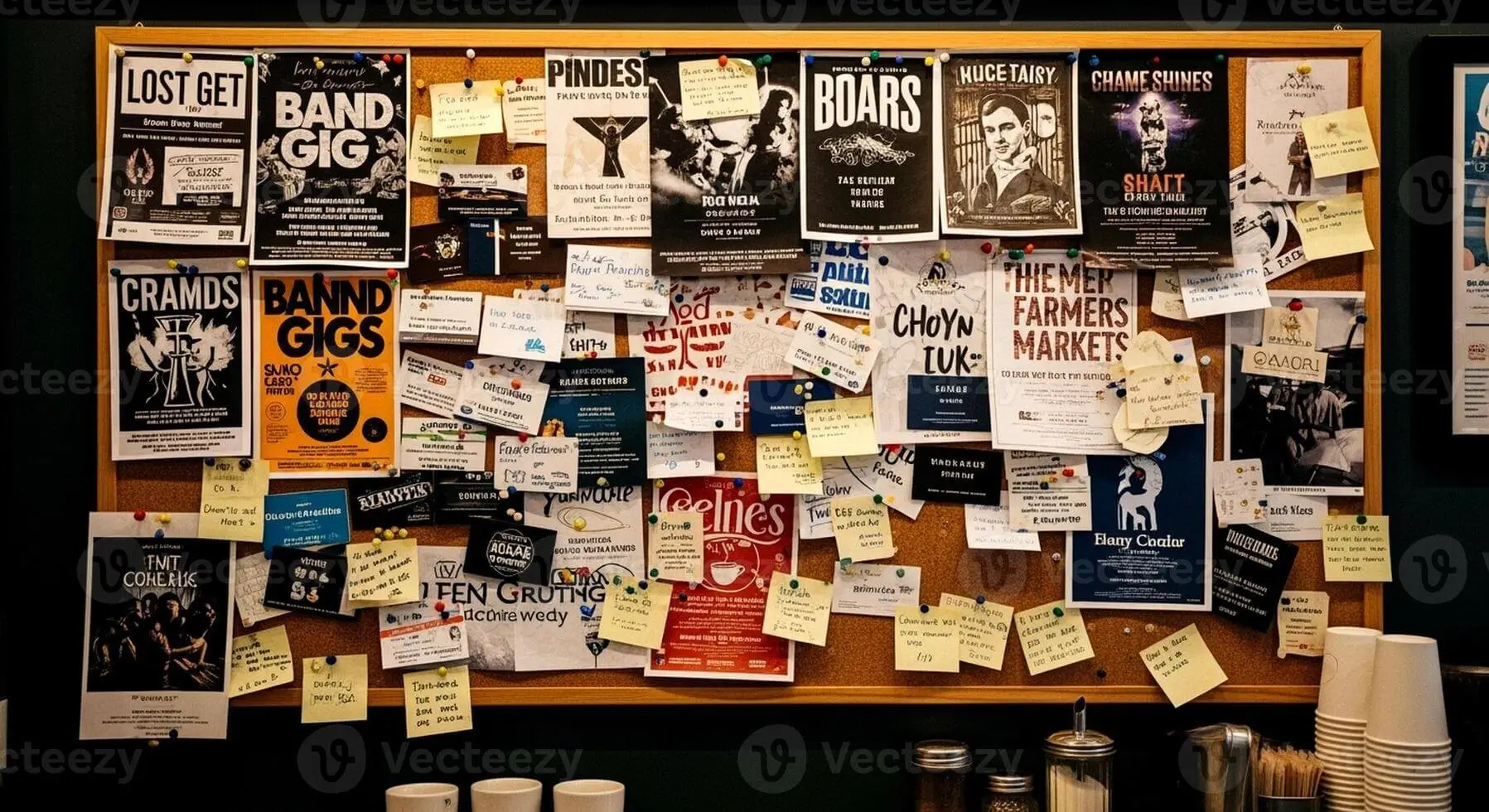
You don't need to do anything grand. It's mostly small things. Letting the local book club use the back room on Tuesday evenings. Putting up a noticeboard for local events. Knowing which customer is going through a hard time and making sure they get a genuine smile and a minute of conversation.
People who feel like your coffee shop is their coffee shop don't look for alternatives. They defend it to friends who suggest going somewhere else. They post about it. They bring people in specifically to show it off. That's the kind of loyalty that compounds.
💡 One Easy Win
Put a small corkboard near the door with a local notice section. Events, lost cats, items for sale. It costs nothing, creates goodwill, and signals that your shop is part of the community rather than just operating within it.
5. Make It Easy for Happy Customers to Tell Their Friends.
Word of mouth is still the most powerful marketing tool available to an independent coffee shop. Most shops leave it entirely to chance. Hoping that happy customers will spontaneously mention them to friends, post about them, or leave a review.
Some will. Most won't. Not because they don't like you. Because they're busy and it didn't occur to them. Your job is to make it occur to them.
A small sign near the till: "Enjoying your visit? A Google review means the world to a small business like ours." A QR code linking directly to your Google review page. None of this is pushy. It's a gentle prompt that turns passive satisfaction into active advocacy.
And when a customer leaves a review, good or bad, respond to it personally. Not with a template. Something genuine. People notice. Other potential customers notice too, when they're reading reviews before deciding where to go.
Putting It All Together.
None of these five things are expensive. None of them need a marketing agency or a complicated system. They need consistency, attention, and the willingness to think about loyalty as something you actively build rather than something that just happens when your coffee is good enough.
The independent coffee shops that thrive long term are the ones where customers feel known, feel rewarded, feel part of something, and feel good about recommending it to others. Everything else is secondary to those four things.
Start with names. Add a digital loyalty card. Be consistent. Build community. Make it easy to share. Not a complicated formula. Just one that requires you to actually do it.
Get started with PerQ — a digital loyalty card for your coffee shop, ready in 60 seconds →